

Every Place Has a Radius
Why a brand with an address is shaped by everything around it.

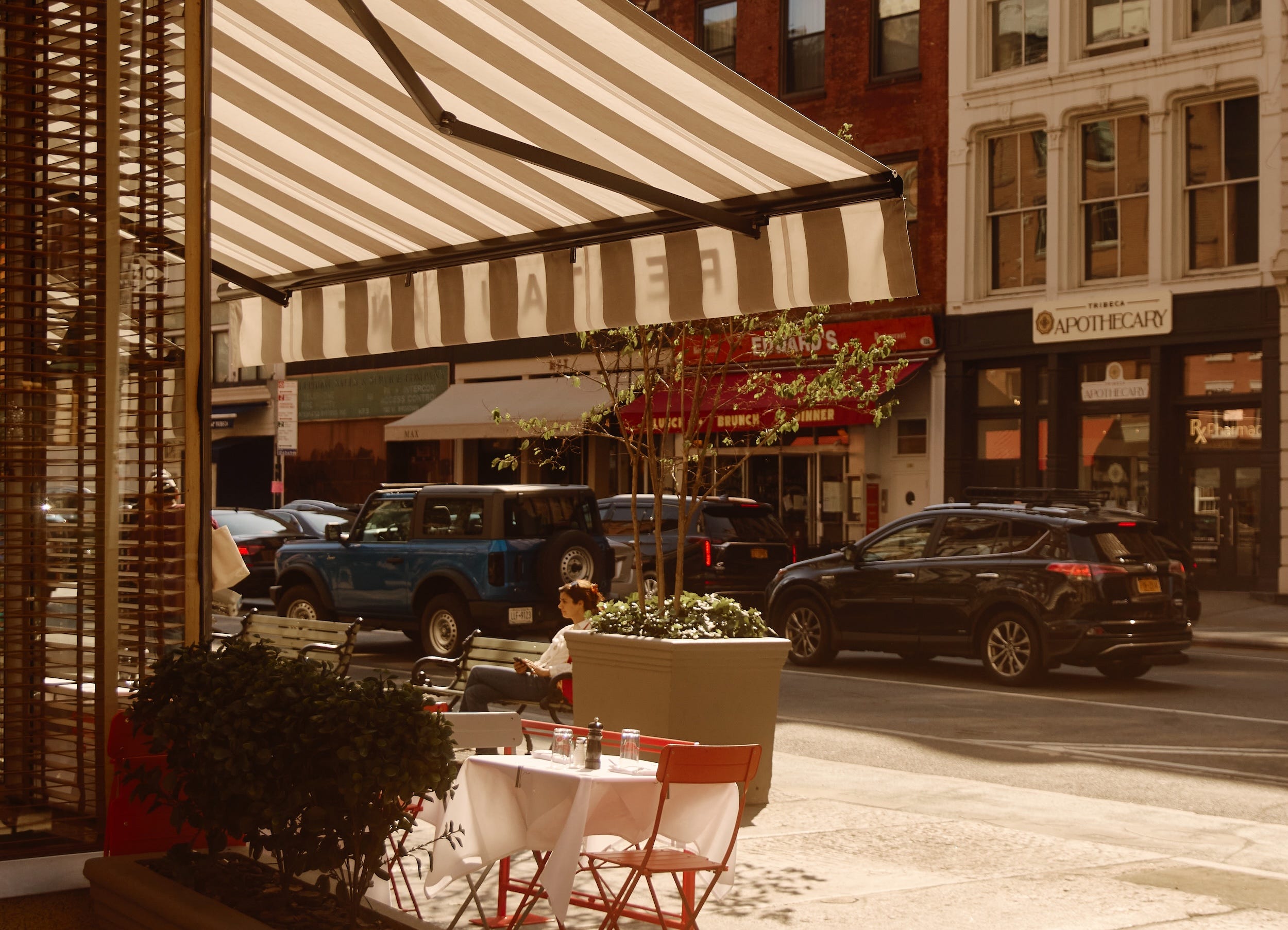
Picture somewhere you go back to often. A café, a members' club, a grocer, the lobby of a great hotel. Now notice how much of the memory isn't actually the building itself. It's the route in, the things you pass, the spot you go afterward, the neighboring places it introduced you to. In many ways, we remember the radius around a place as much as the place itself.
The moment a brand takes a physical space, that radius becomes a part of its story. Bound to its surroundings first and the building by extension, it inherits all of it: the structure and its history, the street, the neighbors, the foot traffic, the reputation it did not write. This is as true for a single storefront as it is for a full city block.
So how do you build a brand from that context? Sometimes the brand is new, created to live inside a specific building. Sometimes it is an established name moving into one. In both cases the first move is the same: you read the building, its historical context and its neighborhood before you decide how the brand lives in it. A new brand is built from that context; an established one is filtered through it. Either way the radius isn’t set dressing, it is where the depth comes from.
The approach is closer to journalism than design. You investigate the place the way a reporter works a story, interpret what you find with a cultural eye, and keep only what serves the brand you are building. The richest material might be the structure’s own past or the life of the street outside. Done well, the result feels less invented than found, an identity that could not have belonged anywhere else.
What makes a space a place?
What turns a space into a place is what it connects you to. The places you return to act as a doorway to their neighborhood, the thing that pointed you toward a shop, a scene, a crowd you would never have found on your own. That pull is the radius at work, and it carries one of the most valuable storylines a brand with a physical presence can draw on. Build from it and the brand belongs to its surroundings the way those places do. Ignore it, and you are left with a space people pass through, not one they make their own.
Which lever do you build from?
So far the radius has meant its 'current' surroundings. But the radius shifts over time. A building that has lived through several eras has had several versions of its surroundings, each a different reading of what stood around it, and its past is the record of them.
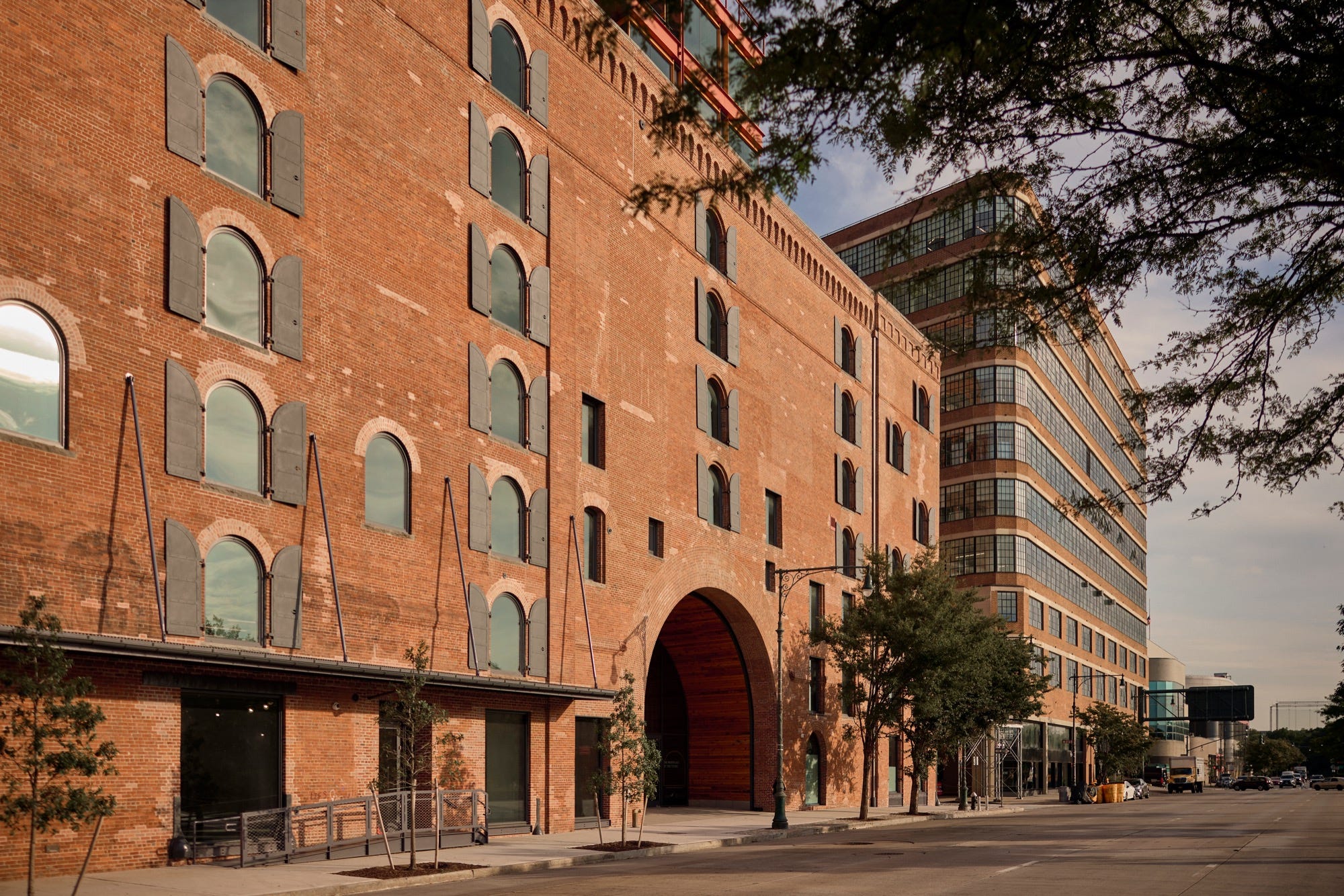
Take the Terminal Warehouse, a single building that occupies an entire Manhattan block. It has lived several lives. It opened in 1891 as a freight hub so complete that trains ran straight through its core, in off the Hudson piers and out the far side toward the water. When the rail climbed onto the High Line, that purpose drained away and the building spent decades as a relic. Then in 1986 it became the Tunnel. At that time, the West Side was an industrial wasteland the city had written off, and that emptiness was the opening: it gave an underground culture room to claim the space as its own and flourish. Through the nineties the rail hall became one of the homes of New York hip-hop, with Funkmaster Flex’s Hip-Hop Sundays at its center, a scene whose reach outlasted the club itself.
Each of those lives was a different version of the building’s radius, which is what makes the real question so pointed: which of them do you build from?
That was the assignment when Terrane built The Mallory, the new brand created to live inside the building. The freight era and the Tunnel were both legitimate starting points. The work was to read everything the building had been, decide what still meant something, and reference it in the new brand without re-enacting it. The rest stayed in its era. Every version of the building before it had answered its own moment in the city, and The Mallory had to do the same.
Any brand with a physical home is sitting on a story, already there in the building and the blocks around it. A competitor can match your square footage; they can never match your radius.
In Part II, we get specific: the vision behind The Mallory, and the story we drew from Terminal Warehouse.